A Comprehensive Guide to Foreclosure Surplus Recovery in the US


Understanding Foreclosure Surplus
Foreclosure surplus refers to the remaining funds after a property is sold at a foreclosure auction. When a property is foreclosed, it is often sold for more than the outstanding mortgage balance. This surplus amount is legally owed to the original homeowner, but recovering it can be a complex process.
Many former homeowners are unaware that they are entitled to these funds. Navigating the legal and bureaucratic landscape to claim this money requires understanding the foreclosure surplus recovery process and the legal framework surrounding it.
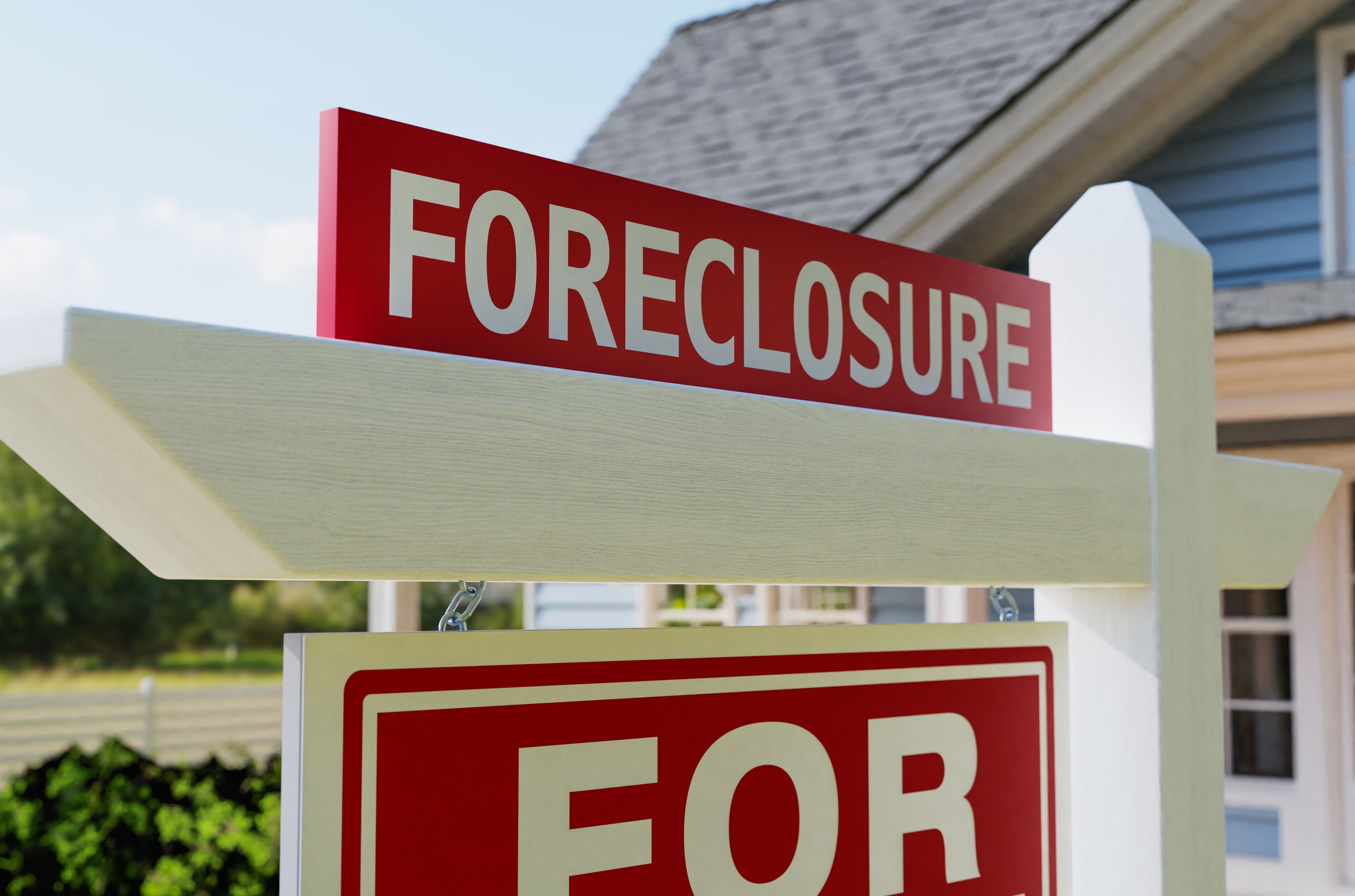
The Foreclosure Process
Understanding the foreclosure process is crucial to grasping how a surplus is created. When a homeowner defaults on their mortgage, the lender initiates foreclosure proceedings. This leads to the property being sold at a public auction.
If the sale price exceeds the amount owed to the lender, the difference is the foreclosure surplus. This surplus should be returned to the former homeowner, but many individuals fail to claim it due to ignorance or legal hurdles.

Steps to Recover Foreclosure Surplus
1. Determine Eligibility
The first step in recovering foreclosure surplus is determining eligibility. The original homeowner or their legal heirs are typically the parties entitled to claim these funds. It’s essential to verify all ownership documents and any legal claims to the property.
2. File a Claim
Once eligibility is established, the next step is to file a claim with the appropriate court or government office handling foreclosure sales. This process involves submitting several documents, including proof of identity and ownership, to substantiate your claim.

3. Legal Assistance
Given the complexities involved, seeking legal assistance can be beneficial. An attorney specializing in foreclosure can guide you through the process, ensuring that all paperwork is correctly filed and that deadlines are met. This increases the chances of a successful claim.
Common Challenges in Surplus Recovery
Several challenges can arise during the surplus recovery process. These include difficulties in proving ownership, disputes over the surplus amount, and navigating bureaucratic red tape. Additionally, many former homeowners are approached by third-party recovery companies offering assistance for a fee.
While these companies can be helpful, it is crucial to read the fine print and understand the terms before signing any agreements. In some cases, individuals may be able to recover the surplus without third-party intervention, saving on fees.

Conclusion
Recovering a foreclosure surplus can be a complex but rewarding process. By understanding the foreclosure process, determining eligibility, and potentially seeking legal help, former homeowners can reclaim funds that are rightfully theirs. Awareness and proactive steps are key to navigating this financial opportunity.